8 Best Solar Generators for Starlink That Keep You Online
Introduction
The best solar generators for Starlink depends on your needs. The Jackery HomePower 3000 is best for home backup with its massive 3072Wh capacity and UPS functionality, while the EF ECOFLOW DELTA 3 Classic excels at balancing power and portability with 1800W output and ultra-fast 45-minute charging. For budget-conscious users, the Anker SOLIX C300 stands out with its compact design and 140W two-way USB-C charging at just $249.
Starlink requires consistent power to maintain your satellite internet connection, especially in remote locations. A reliable solar generator keeps your dish running during outages, camping trips, or off-grid living situations.
Quick Comparison Table
| Product | Battery Capacity | AC Output | Solar Panel Included | Charging Time (AC) | Weight |
|---|---|---|---|---|---|
| Jackery HomePower 3000 | 3072Wh | 3600W (7200W surge) | Yes (2x 200W) | 2.2 hours | N/A |
| Jackery Solar Generator 1000 v2 | 1070Wh | 1500W (3000W surge) | Yes (200W) | 1.7 hours | 23.8 lbs |
| EF ECOFLOW DELTA 3 Classic | 1024Wh | 1800W (3600W surge) | Yes (220W) | 45 min (0-80%) | N/A |
| Anker SOLIX C300 | 288Wh | 300W (600W surge) | No (optional) | 50 min (0-80%) | N/A |
| Anker SOLIX C300 with 60W Panel | 288Wh | 300W (600W surge) | Yes (60W) | 50 min (0-80%) | N/A |
| UDPOWER C400 | 256Wh | 400W (800W surge) | Yes (40W) | N/A | 6.3 lbs |
| EF ECOFLOW DELTA 3 Classic | 1024Wh | 1800W (3600W surge) | No (optional) | 45 min (0-80%) | N/A |
| Grecell 330W with 40W Panel | 230.88Wh | 330W (600W surge) | Yes (40W) | N/A | 7.3 lbs |
Best Solar Generators for Starlink
1. Jackery HomePower 3000 – Premium Home Backup Solution

Best for: Home users needing reliable backup power for Starlink during extended outages with UPS protection.
Key Features:
| Feature | Details |
| Battery Capacity | 3072Wh LFP battery |
| Output Power | 3600W (7200W surge) |
| Solar Panels | 2x 200W included |
| UPS Switching | ≤20ms seamless transition |
| Charging Speed | 1.7 hours (hybrid mode) |
The Jackery HomePower 3000 is the best solar generator for Starlink users who need serious home backup power. With 3072Wh capacity, it can run your Starlink dish for days without interruption.
The unit features UL-certified UPS functionality that switches in under 20ms, keeping your internet connection stable during power transitions. This matters when you’re on important video calls or managing remote work.
Two 200W solar panels come included, letting you recharge up to 80% in 9 hours of good sunlight. The hybrid charging option combines AC and solar for even faster recharge times.
The built-in TT-30 RV port and multiple USB-C ports make this versatile for both home and mobile use. You can power your Starlink, router, computer, and other devices simultaneously.
At $1,499, this is a premium investment that qualifies for a 30% federal tax credit, making it more affordable for serious off-grid users.
Pros:
- Massive 3072Wh capacity
- Fast UPS switching
- Two solar panels included
- Tax credit eligible
Cons:
- High upfront cost
- Heavy and less portable
2. Jackery Solar Generator 1000 v2 – Best Mid-Range Option

Best for: Users seeking a balance of power, portability, and fast charging for Starlink on camping trips.
Key Features:
| Feature | Details |
| Battery Capacity | 1070Wh LiFePO4 battery |
| Output Power | 1500W (3000W surge) |
| Solar Panel | 200W included |
| Charging Time | 1 hour (emergency mode) |
| Weight | 23.8 lbs portable |
The Jackery Solar Generator 1000 v2 offers the sweet spot between capacity and portability for Starlink users. At just 23.8 pounds with a foldable handle, you can easily transport it to remote work locations.
The standout feature is the one-hour emergency charging via the Jackery App. When you need power fast, this gets you back online quickly with your Starlink connection.
The LFP battery maintains over 70% capacity after 4,000 cycles, meaning this generator will serve you for over 10 years. That’s excellent value for a $599 investment.
With 1070Wh capacity, you can run Starlink for approximately 12-15 hours depending on usage. The 200W solar panel included lets you recharge during the day while working remotely.
Multiple ports including two USB-C, three AC outlets, and LED lights make this a complete mobile office solution.
Pros:
- One-hour emergency charging
- Lightweight and portable
- 10-year battery lifespan
- App control features
Cons:
- Lower capacity than top model
- Single solar panel
3. EF ECOFLOW DELTA 3 Classic with Solar Panel – Fastest Charging Winner

Best for: Users who need rapid recharge times and reliable UPS protection for sensitive electronics.
Key Features:
| Feature | Details |
| Battery Capacity | 1024Wh LiFePO4 battery |
| Output Power | 1800W (3600W surge) |
| Solar Panel | 220W included |
| Charging Speed | 45 min to 80% |
| UPS Switching | <10ms ultra-fast |
The EF ECOFLOW DELTA 3 Classic delivers the fastest charging speed in this roundup. Going from empty to 80% in just 45 minutes means less downtime for your Starlink connection.
The sub-10ms UPS switching is faster than Jackery’s system, protecting your Starlink dish and router from power interruptions. This prevents connection drops during storms or outages.
X-Boost technology lets you power devices up to 2600W, giving you flexibility to run additional equipment beyond just your internet setup. The 220W solar panel recharges the unit in 5.8 hours under good conditions.
At 1024Wh capacity, you get roughly 12 hours of Starlink runtime. The pure sine wave output ensures clean power for sensitive electronics.
For $589, this offers excellent value with premium features like ultra-fast UPS and rapid AC charging.
Pros:
- 45-minute fast charging
- Ultra-fast UPS protection
- X-Boost technology
- 220W solar panel included
Cons:
- Ships in separate packages
- Weight not specified
4. Anker SOLIX C300 – Best Budget Compact Option

Best for: Mobile workers needing an ultra-portable solution for short Starlink sessions while traveling.
Key Features:
| Feature | Details |
| Battery Capacity | 288Wh LiFePO4 battery |
| Output Power | 300W (600W surge) |
| Solar Panel | Optional purchase |
| USB-C Ports | 140W two-way charging |
| Size | 15% smaller than competitors |
The Anker SOLIX C300 is the most affordable and compact option for powering Starlink on short trips. At $249, it’s perfect for budget-conscious users who need basic backup power.
With 288Wh capacity, you’ll get approximately 3-4 hours of Starlink runtime. This works well for checking emails, video calls, or emergency communications during outages.
The 140W two-way USB-C charging is a standout feature at this price point. You can fast-charge the unit in just 50 minutes to 80%, getting back online quickly.
Eight charging ports let you power Starlink plus your laptop, phone, and other devices simultaneously. The compact size makes it easy to pack in a backpack or vehicle.
Solar panels are sold separately, but the unit accepts 100W panels for off-grid recharging when needed.
Pros:
- Very affordable price
- Ultra-compact design
- Fast 140W USB-C charging
- Eight device ports
Cons:
- Limited battery capacity
- Solar panel not included
5. Anker SOLIX C300 with 60W Solar Panel – Complete Budget Kit

Best for: First-time solar generator buyers wanting an affordable complete package for occasional Starlink use.
Key Features:
| Feature | Details |
| Battery Capacity | 288Wh LiFePO4 battery |
| Output Power | 300W (600W surge) |
| Solar Panel | 60W included |
| USB-C Ports | 140W two-way charging |
| Package Value | Complete kit ready |
This bundle adds a 60W solar panel to the SOLIX C300 for just $80 more than the standalone unit. You get everything needed to start powering Starlink off-grid immediately.
The 60W panel provides enough solar input for day-long operations when combined with the battery. You can run Starlink during the day while simultaneously recharging the power station.
At $329 total, this represents excellent value for a complete solar setup. The 288Wh capacity still limits you to 3-4 hours of pure battery runtime.
The compact design of both components makes this ideal for backpackers, van lifers, or emergency preparedness kits. Everything packs down small and weighs very little.
Eight charging ports ensure you can power all your devices alongside Starlink without needing multiple power solutions.
Pros:
- Complete kit included
- Affordable bundle price
- Very portable setup
- Fast USB-C charging
Cons:
- Small battery capacity
- Lower wattage solar panel
6. UDPOWER C400 Solar Generator Kit – Best for Light Users

Best for: Casual users needing basic Starlink backup power with included solar charging at an entry price.
Key Features:
| Feature | Details |
| Battery Capacity | 256Wh LiFePO4 battery |
| Output Power | 400W (800W surge) |
| Solar Panel | 40W foldable included |
| Weight | 6.3 lbs ultra-light |
| Battery Cycles | 3000+ cycles rated |
The UDPOWER C400 weighs just 6.3 pounds, making it the lightest complete solar generator kit in this comparison. This extreme portability suits hikers and minimalist travelers using Starlink.
With 256Wh capacity, expect around 3 hours of Starlink runtime. The included 40W solar panel takes 6-8 hours for a full recharge in good sunlight.
The 400W AC output with 800W surge handles Starlink plus a laptop comfortably. Seven output ports including 65W USB-C PD provide versatile charging options.
IP65 waterproof rating on the solar panel means you can leave it outside in light rain while charging. The power station itself includes overheat and short-circuit protection.
At $259, this offers a complete kit with decent capacity for occasional Starlink users who prioritize weight savings.
Pros:
- Extremely lightweight
- IP65 waterproof panel
- Good port variety
- Complete kit included
Cons:
- Small battery capacity
- Slow solar charging
7. EF ECOFLOW DELTA 3 Classic – Best Without Solar Panel
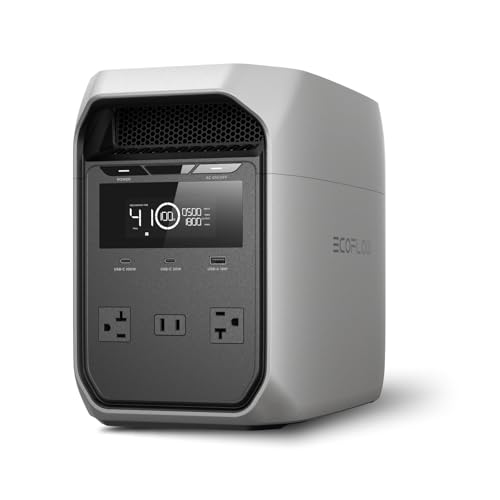
Best for: Users who already own solar panels or want flexibility to add panels later.
Key Features:
| Feature | Details |
| Battery Capacity | 1024Wh LiFePO4 battery |
| Output Power | 1800W (3600W surge) |
| Solar Panel | Not included |
| Charging Speed | 45 min to 80% |
| UPS Function | <10ms switching |
This standalone DELTA 3 Classic saves you money if you already have compatible solar panels or plan to purchase higher-wattage panels separately. At $399, it’s $190 less than the bundled version.
The same impressive specs apply: 1800W output, sub-10ms UPS protection, and 45-minute fast charging. You get 1024Wh capacity for approximately 12 hours of Starlink operation.
The unit accepts up to 500W of solar input, letting you add more powerful panels than the included 220W option. This flexibility suits users building custom solar setups.
X-Boost technology extends the power capability to 2600W for running additional appliances beyond your internet equipment. The LiFePO4 battery provides 10+ years of reliable service.
This makes sense if you want maximum power without paying for a solar panel you might not need or want to upgrade.
Pros:
- Lower price point
- Ultra-fast UPS switching
- Accepts 500W solar input
- 45-minute fast charging
Cons:
- No solar panel included
- Additional purchase needed
8. Grecell 330W with 40W Solar Panel – Ultra-Lightweight Champion

Best for: Backpackers and minimalist travelers needing the lightest possible Starlink power solution.
Key Features:
| Feature | Details |
| Battery Capacity | 230.88Wh LiFePO4 battery |
| Output Power | 330W (600W surge) |
| Solar Panel | 40W foldable included |
| Weight | 7.3 lbs + 2.93 lbs |
| Solar Size | Folds to 13-inch laptop size |
The Grecell system weighs just 10.23 pounds total, making it the lightest complete kit available. The solar panel folds to laptop size, fitting easily in backpacks or small storage spaces.
With 230.88Wh capacity, you’ll get approximately 2-3 hours of Starlink runtime. This suits emergency communications or short work sessions rather than all-day use.
The 60W USB-C PD port charges laptops and phones twice as fast as standard USB ports. Six total charging ports let you power multiple devices alongside Starlink.
Built-in MPPT technology maximizes solar charging efficiency from the 40W panel. The upgraded BMS protects against overload and overcharge situations.
At $209, this is the most affordable complete kit, perfect for occasional users who prioritize portability over extended runtime.
Pros:
- Lightest complete system
- Most affordable option
- Compact folding panel
- 60W USB-C fast charging
Cons:
- Smallest battery capacity
- Limited runtime
How to Choose Solar Generators for Starlink
Battery Capacity Requirements
Starlink typically draws 50-75 watts depending on the dish model and usage. Calculate how many hours you need backup power by dividing the battery capacity in watt-hours by your Starlink’s power draw.
For occasional use or emergency backup, 250-300Wh units provide 3-4 hours of runtime. For all-day remote work, look for 1000Wh or higher capacity that delivers 12+ hours of operation.
Solar Panel Wattage and Charging Speed
Higher wattage solar panels recharge your battery faster during daylight hours. A 200W panel can fully recharge a 1000Wh battery in 5-6 hours of good sunlight, while 40W panels take much longer.
Consider your typical usage pattern. If you work during the day while the sun is out, you can get by with smaller panels since you’re simultaneously drawing and recharging power.
Output Power and Port Options
Starlink itself doesn’t require much wattage, but you’ll likely power other devices too. Look for generators with at least 300W AC output to handle your router, laptop, phone charging, and LED lights simultaneously.
USB-C ports with Power Delivery (PD) let you fast-charge laptops without AC adapters, saving precious battery capacity. Multiple AC outlets prevent the need for power strips.
Portability and Weight Considerations
If you’re moving your setup frequently, weight matters significantly. Units under 10 pounds suit backpacking and hiking, while 20-25 pound models work for car camping and RV use.
Home backup users can prioritize capacity over portability since the unit stays stationary. Foldable handles and compact designs make transportation easier regardless of weight.
UPS Functionality for Uninterrupted Service
UPS (Uninterruptible Power Supply) features automatically switch to battery power during outages without disconnecting your devices. This prevents Starlink from rebooting and losing your internet connection.
Look for UPS switching times under 20ms for seamless transitions. This matters most for video calls, online gaming, or situations where even brief disconnections cause problems.
Frequently Asked Questions
How long will a 1000Wh solar generator run Starlink?
A 1000Wh generator will run Starlink for approximately 12-15 hours depending on your dish model and usage intensity. Standard Starlink draws 50-75 watts on average.
Can I use solar generators in cold weather for Starlink?
Yes, but LiFePO4 batteries perform better in cold weather than standard lithium-ion. Starlink’s heating elements draw more power in freezing temperatures, reducing your runtime by 20-30%.
Do I need a pure sine wave inverter for Starlink?
Yes, Starlink requires clean power from a pure sine wave inverter to function properly and avoid damage. All generators in this guide provide pure sine wave output.
Can I charge my solar generator while powering Starlink?
Yes, most modern solar generators support pass-through charging, letting you simultaneously recharge via solar panels or AC while powering your Starlink dish and other devices.
What size solar panel do I need for continuous Starlink operation?
You need at least 100-150W of solar panels to match Starlink’s power consumption during peak sunlight hours. Larger 200W+ panels provide excess power to recharge the battery while running.
Final Thoughts
The Jackery Solar Generator 1000 v2 offers the best overall value for most Starlink users, balancing capacity, portability, and fast charging at a reasonable price.
If you need serious home backup power with UPS protection, invest in the Jackery HomePower 3000. Budget-conscious users should consider the Anker SOLIX C300 bundle for occasional use.
Match your battery capacity to your typical usage duration, prioritize solar panel wattage for off-grid scenarios, and ensure the generator includes pure sine wave output for reliable Starlink operation.